Gaia Cable Protection System

Prevent Cable Sticking and Keyseating

Engineering solutions to tackle the most challenging downhole environments.

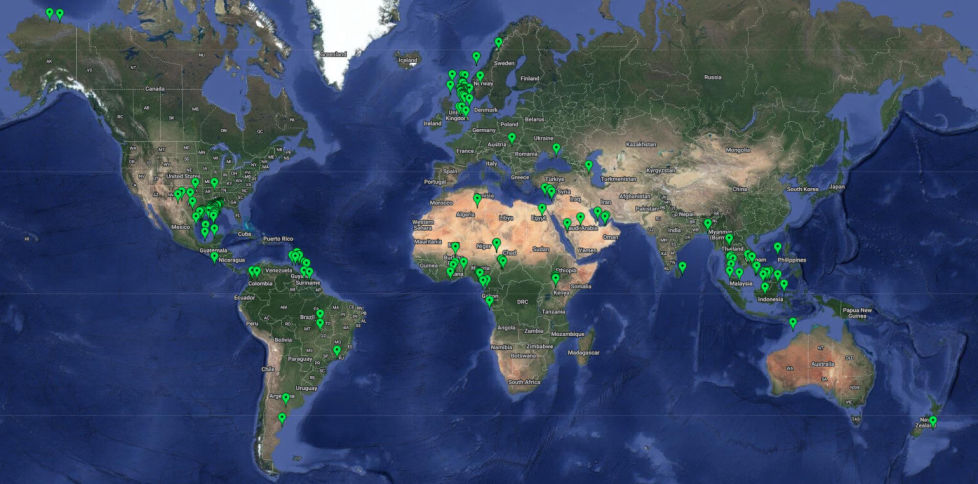
Our GCPS Clients
Xavier Perez

Xavier Perez

Operations Specialist / Business Development

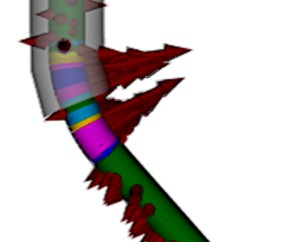
Why do wireline cables get stuck?

Keyseating

In zones of high cable thrust where the cable creates its own channel in the formation, increasing mechanical friction.
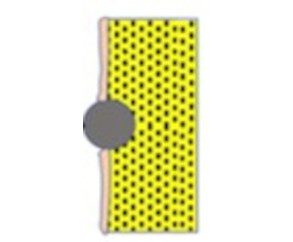
Differential Sticking

Occurs in permeable zones where the pressure differential forces the cable against the borehole wall.
Critical Outcomes
  • Pipe-conveyed logs
  • Strip-over fishing
  • Lost data
  • Broken cables

What are Wireline Standoffs?

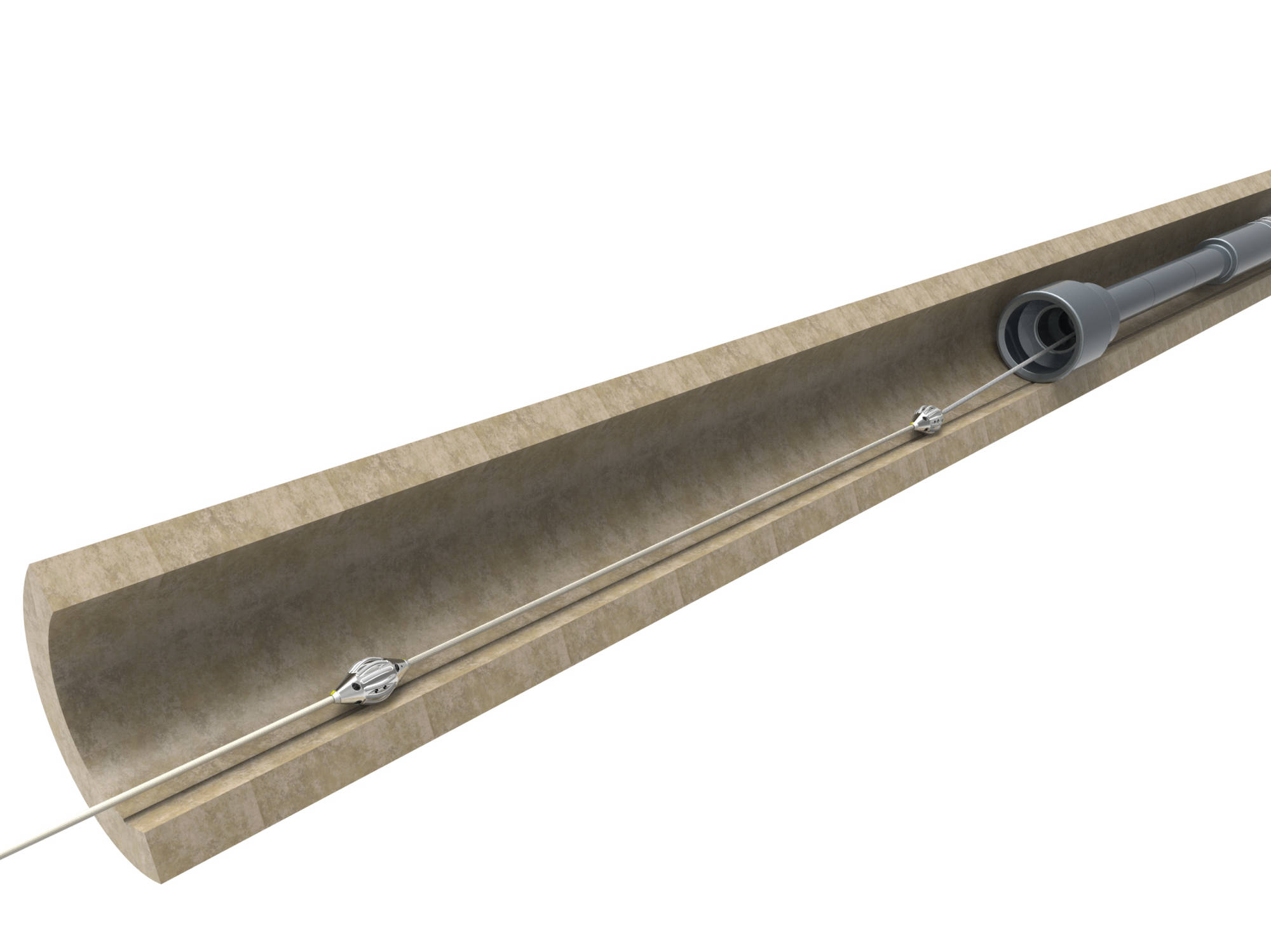
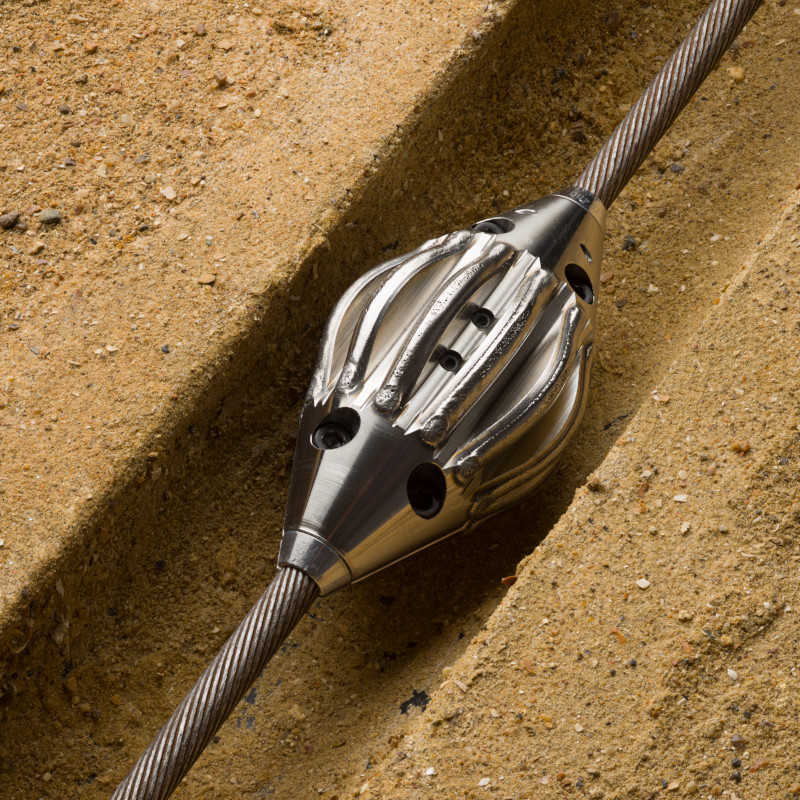
A unique patented technology that prevents cable sticking by reducing the cable contact with the borehole in key zones identified by our advanced modelling software (Wire-pro®).

Over 23,000 Wireline Standoffs have been run in hole to date.
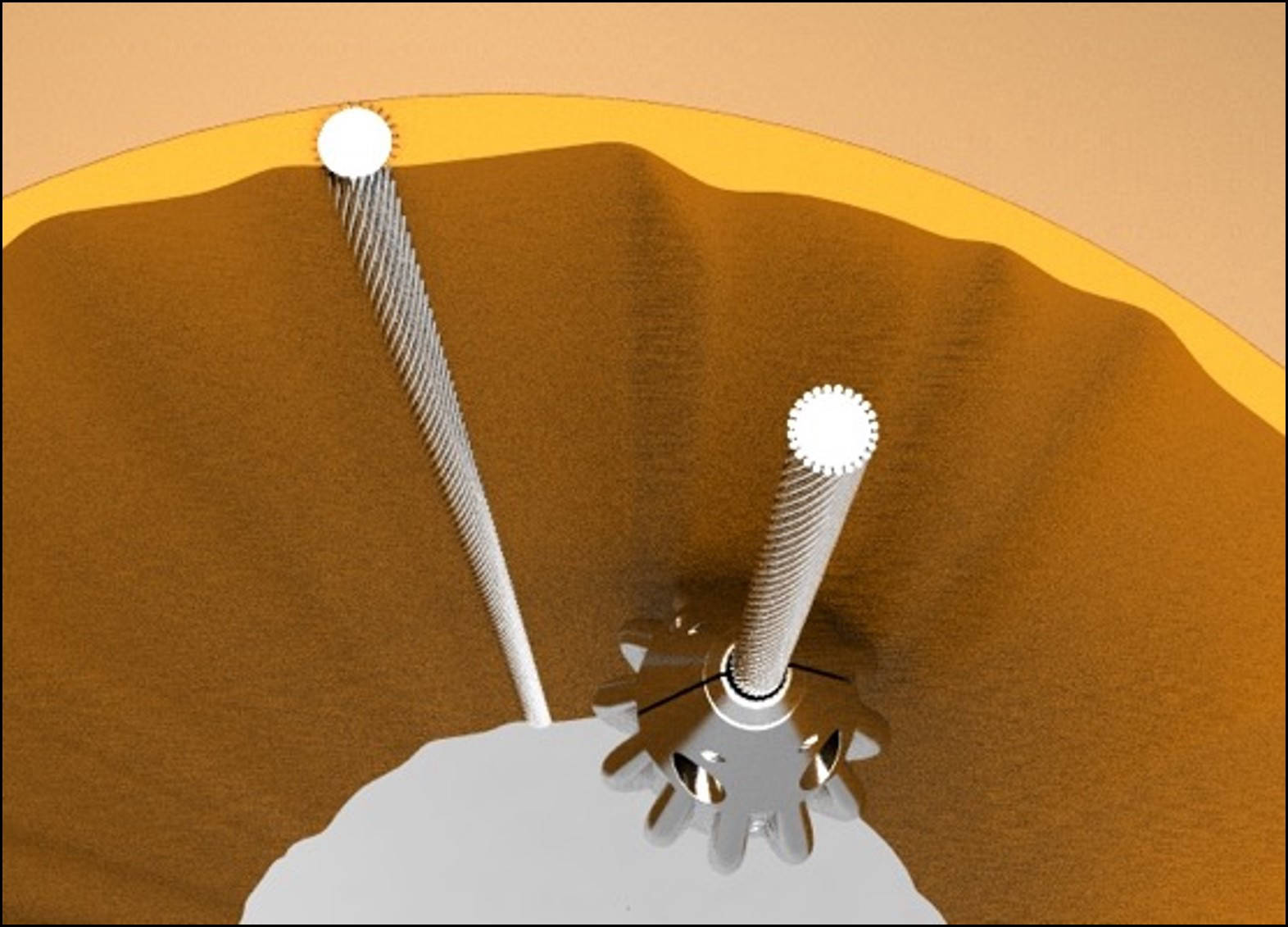
GCPS IN DETAIL
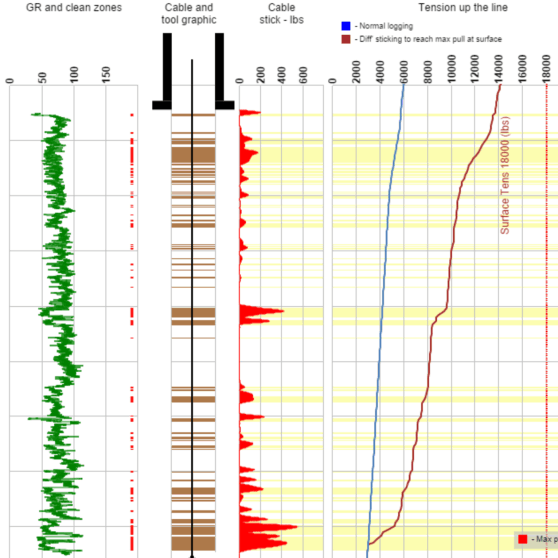
Wire-pro® modelling

Bespoke tension modelling package
  • Superior to other models on the market.
  • Focus on open hole sticking potential (tool sticking and cable sticking).
  • Integration of petrophysical data, lithology and pore pressures.
  • wireline standoffs

    Prevent cable sticking and keyseating
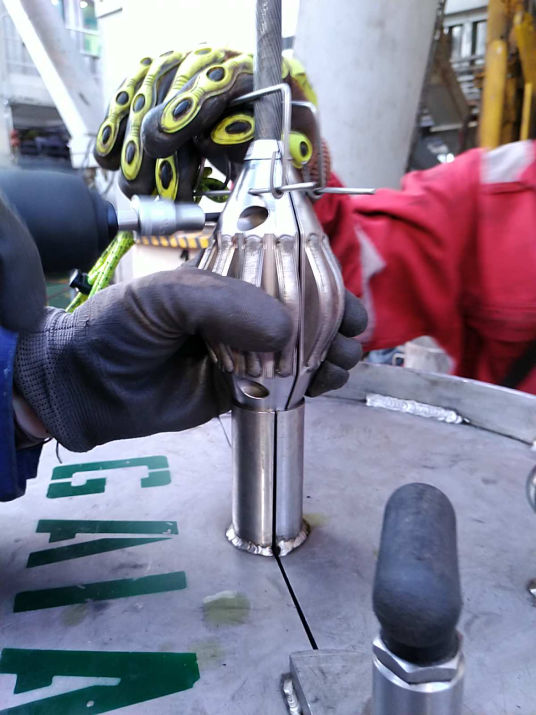
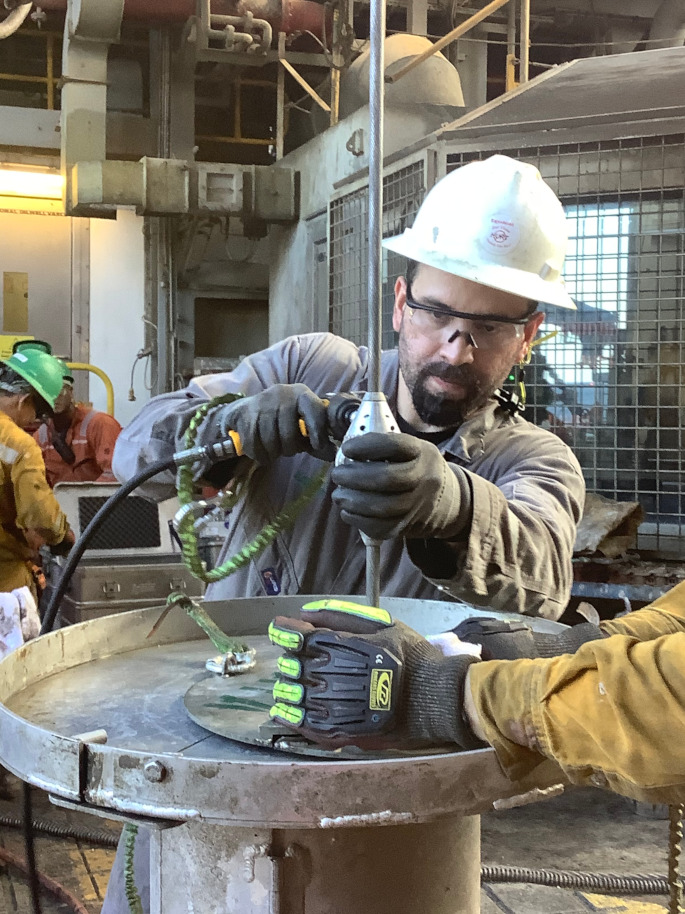
  • Wireline standoffs (WLSO®) are precision mechanical clamps that attach to logging cable to suspend it above sticky zones.
  • Wireline standoffs are arranged in arrays to cover the risk zones in the well. The number of standoffs is dependent on the number and size of the risk zones.
  • Wireline standoffs reduce cable contact with the formation by >99%. They also improve tension transmission to the cablehead in case of a stuck tool.
  • The average number of wireline standoffs deployed in one run is 33. The average spacing is 55ft (~17m).
  • Wireline standoffs fit all cables. Precision cable inserts fit every logging cable in the industry.
  • Safe & Efficient

  • It takes under 1 minute to install a WLSO® with our latest express kit.
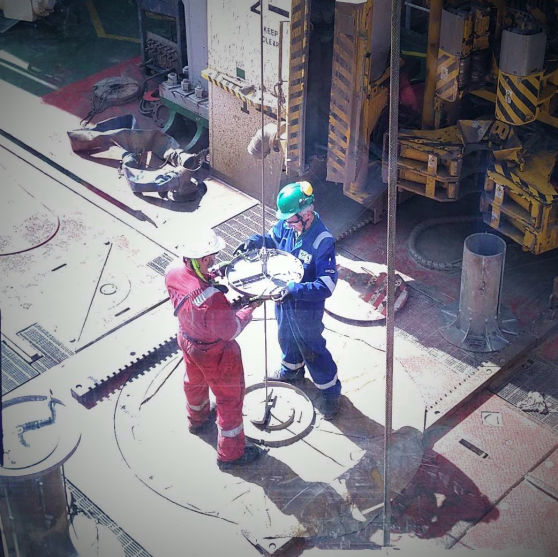
  • Lanyards are attached to each half of the standoff to prevent dropped objects. All hand tools are tied off.
  • Once the job is safely completed, wireline standoffs are removed from the cable. Depth alarms are set to ensure that the winch operator stops at the correct depths in order to remove them.
  • Proven Track Record

  • GCPS® has been used extensively, with hundreds of hole sections modelled with Wire-pro and thousands of WLSO® run worldwide.
  • Wireline standoffs remain firmly attached to the wireline cable and have never been lost in hole.
  • Contingency Planning

  • Wireline standoffs (WLSO®) are designed with strip-over (or cut-and-thread) fishing in mind.
  • Prior to every job, drill pipe sizes are checked to ensure that fishing is feasible.
  • Strip-over fishing has been successfully performed over wireline standoffs.
  • Gaia Specialist

  • Having an experienced Gaia Conveyance Specialist at the wellsite is key to the success of GCPS®.
  • The Gaia Conveyance Specialist ensures the operation is performed safely and efficiently, ensures correct configuration and placement of wireline standoffs, and can advise on wireline conveyance and contingency planning.
  • Gaia Specialists are also trained as QA/QC specialists. Having 2 specialists at the wellsite gives 24 hour cover for both QA/QC and GCPS®.